
A pile of party fillers on the kitchen table can feel less like fun and more like a countdown clock.
You want something cheerful, useful, and easy to hand out. Children want something that feels like a tiny adventure. That's where blue goodie bags can do much more than carry sweets.
Your Mission Briefing Starts Here
A blue bag already feels half way to space, doesn't it?
Not because it's magical on its own, but because colour sets a mood. Deep blue suggests night skies, rocket windows, mission control screens, and the kind of adventure children can step into without needing expensive decorations. A simple paper bag can become a mission supply kit for a birthday, a school reward, a library event, or a reading day.
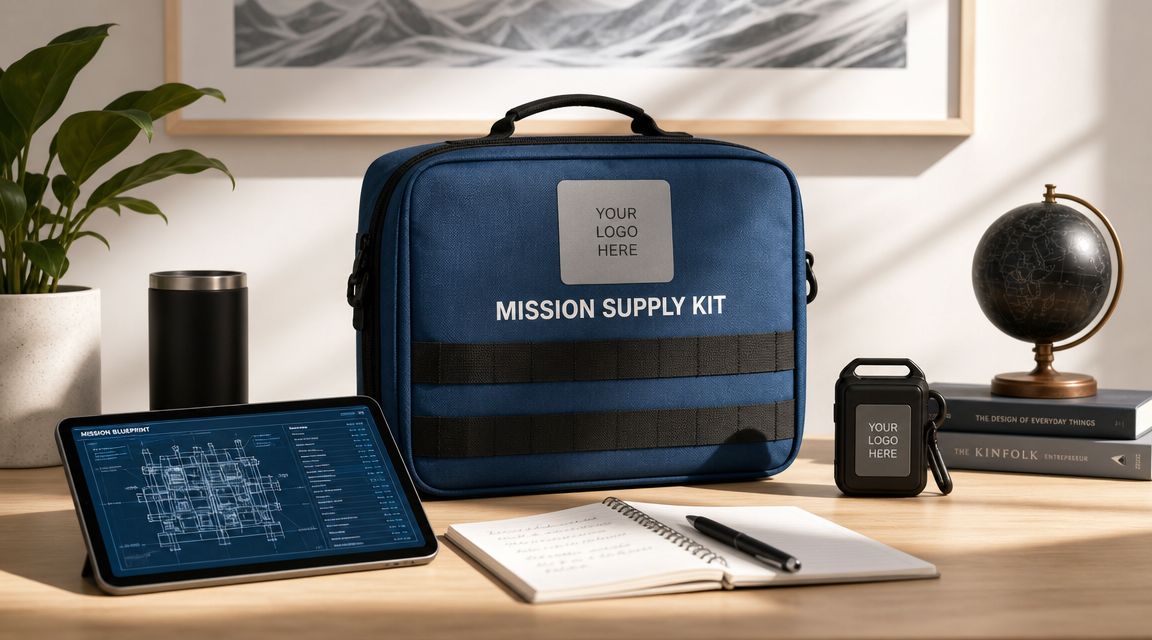
That matters more than it might seem. The National Literacy Trust reported that only 1 in 3 children and young people aged 5–18 said they enjoy reading in 2024, which makes appealing and functional event bundles especially important for reading engagement, as noted in this blue gift bag reference.
Why blue works so well
Children often respond to a bag before they respond to what's inside it. If the outside feels intriguing, the inside gets a better chance too.
Blue goodie bags work well for:
- Birthday parties with a rocket, planet, or astronaut theme
- School reward days where every child needs the same neat pack
- Library activities linked to stories, quizzes, or reading trails
- Book events where you want the bundle to feel special, not random
A good bag doesn't just hold items. It gives the event a story.
That's the teacher trick. You're not handing over a bag of bits. You're handing over a role. Cadet. Explorer. Reading agent. Planet protector. Suddenly a pencil becomes a tool. A bookmark becomes navigation equipment. A sticker sheet becomes mission data.
The small thing that often gets missed
Adults sometimes focus on the filler first. Children usually notice the experience first.
So if you're standing there wondering, “How do I make this feel memorable without making it complicated?” the answer is simple. Give the bag a job.
Call it a mission kit. Add one clear theme. Keep the contents purposeful. Let the children feel that they're joining something bigger than a party favour.
That's how a plain blue bag stops being a bag and starts being a launch sequence.
Mission Planning Your Goodie Bags
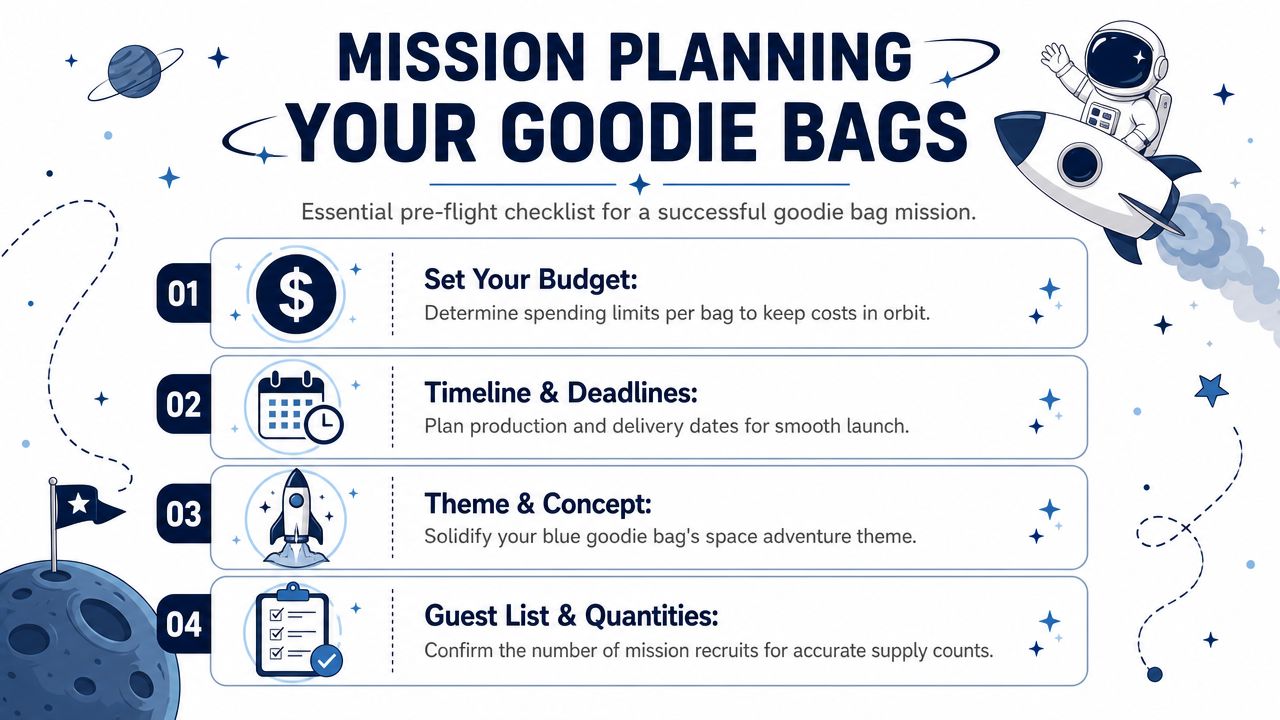
The smartest goodie bags are planned like a tidy little space mission. Not flashy. Not chaotic. Just well prepared.
UK retail data shows strong seasonal demand for children's gifting, and with retail volumes below pre-pandemic levels, low-cost, reusable party items like paper goodie bags are especially relevant for value-conscious schools and parents, according to this paper gift bag market context.
Start with four clear choices
If you try to choose everything at once, planning gets messy fast. I'd make these decisions in this order:
Occasion first
Is this for a birthday, classroom reward, library event, or reading celebration?Age group next
A bag for younger children needs simpler, sturdier items. Older children can handle puzzles, mini activities, and more detailed instructions.Use after the event
Will the contents be opened straight away, taken home, or used during an activity session?How many bags you need
This affects every other choice, from decorating time to bag style.
Your pre-flight checklist
A practical shopping list usually works better than a grand creative burst in aisle seven.
- Blue paper bags that fit your planned contents
- Name labels or tags if bags need to be assigned
- Tissue paper or shredded paper if you want a fuller look
- A small set of themed fillers rather than lots of random ones
- Pens, stickers, or stamps for quick personalisation
- A storage box or tray to sort items before assembly
Practical rule: choose the contents before you choose fancy decorations.
That one saves money and stress. If the bag can't comfortably hold the items, no amount of stars and rocket stickers will rescue it.
A useful planning shortcut
If you want a more branded or coordinated event look, especially for fairs, clubs, or larger organised packs, a practical reference point is this buyer's guide for logo bags. Even if you stay with paper bags, it helps you think clearly about quantity, purpose, and design consistency.
For parents planning parties, this space-themed birthday party guide can also spark ideas for matching games, colours, and table set-up.
What confuses people most
Many people buy by colour first and usefulness second. It's understandable. The blue catches your eye. Into the basket it goes.
But the better question is, “What does this bag need to carry without splitting, bulging, or looking tired?” Once you answer that, the rest gets much easier.
Think like mission control. Calm. Organised. Mildly dramatic in a competent way.
Assembling Your Cosmic Kits
This is the fun part. The table is covered in supplies. Someone has already tested a sticker on their sleeve. A child nearby is asking whether Pluto counts. Spirits are high.
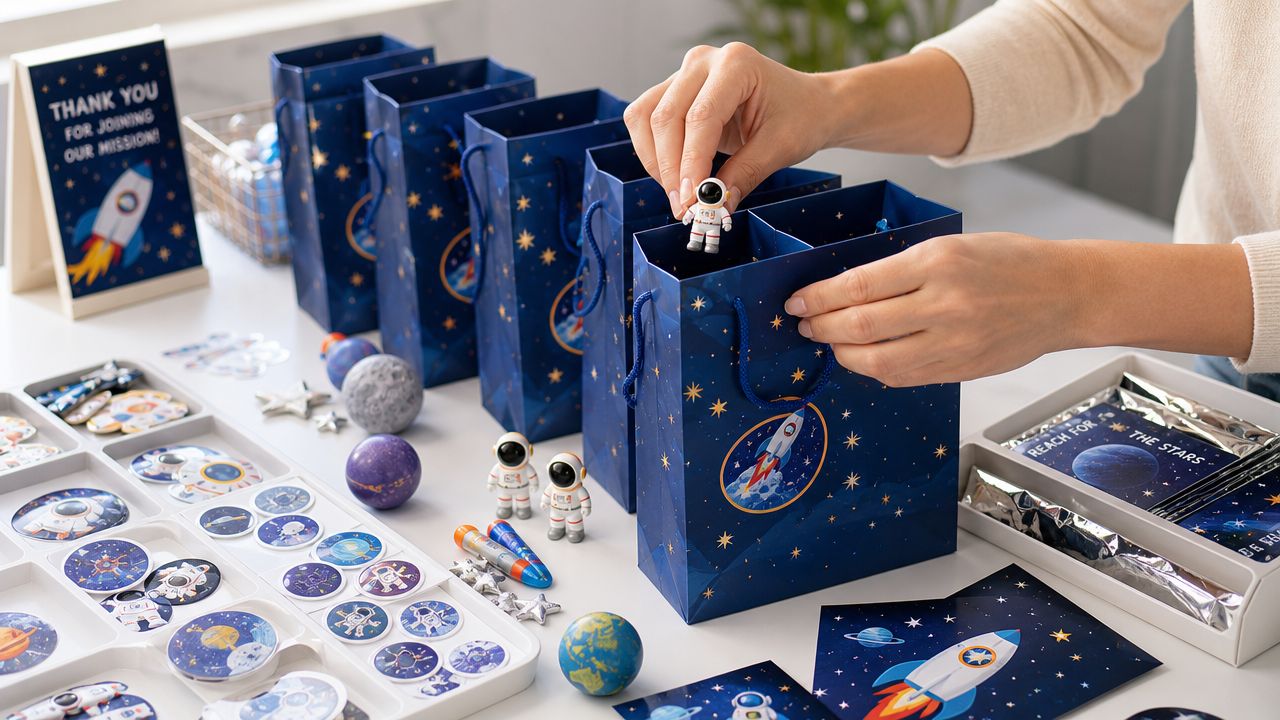
For practical event planning, match bag volume to insert size. A useful benchmark is to treat 8–10 inch paper favour bags as the baseline for lightweight children's giveaways to help prevent overfill and seam stress, as shown in this blue favour bag size example.
Set up a simple assembly line
Don't decorate one full bag from start to finish, then begin the next. That feels slower and gets oddly chaotic.
Try this instead:
- Station one for opening and shaping the bags
- Station two for labels, names, or themed stickers
- Station three for adding the main items
- Station four for tissue paper, check, and final close
Children can help with parts of this. Older ones can sort. Younger ones can add stickers or place in safe, lightweight items. That turns the task into an activity rather than a chore.
Keep decoration easy
The best blue goodie bags usually have one strong visual idea, not ten.
You might add:
- Silver star stickers for a night-sky look
- Round labels marked “Mission Kit”
- Printed character badges for different teams
- A simple coloured tag for names or table groups
If you'd like printable extras, these crafts you print can help you add a story-led touch without needing specialist craft skills.
Here's a handy visual if you want to see bag-filling and party prep in action:
A quick quality check
Before you line up all the bags, lift one.
Does it feel balanced?
Do the handles sit properly?
Is anything poking the side?
Can a child open it without tearing the whole thing like a meteor strike?
Test one finished bag before you finish the whole fleet.
That little pause can save a lot of last-minute repairs.
Filling Bags with Galactic Goodies
Space Ranger Fred has reached the cargo bay. Now comes the part children notice first. What goes inside the blue bag has to feel like a real mission kit, not a jumble of leftovers from the party table.
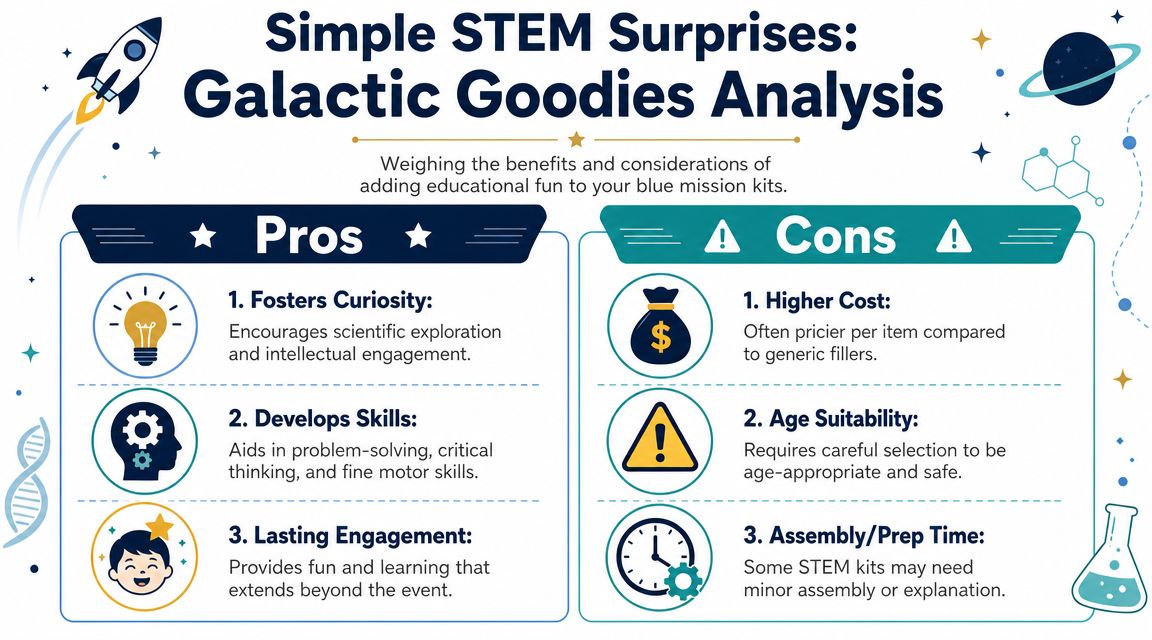
A strong goodie bag usually carries three kinds of energy. One item sparks immediate excitement. One item lasts beyond the event. One item nudges curiosity a little further, like a tiny telescope pointed at the next question.
Pick contents with a job to do
It helps to sort fillers by purpose before you drop anything into the bag. That keeps the mix balanced and stops you from overfilling with items that all do the same job.
| Role | What it does | Example ideas |
|---|---|---|
| Use now | Gives instant excitement | sticker sheet, mini puzzle, badge |
| Use later | Extends the experience | bookmark, colouring sheet, simple challenge card |
| Learn something | Adds purpose | planet fact card, moon phases wheel, mini observation sheet |
This works like packing for a short space mission. You want one tool for the launch moment, one for the journey home, and one that helps the explorer notice something new.
Good fillers for different events
The best choices depend on where the bags will be opened.
At a birthday party, a joke card, a pencil, and a tiny activity often land well. In a classroom or library setting, quieter and more useful items usually work better because they can travel home, slip into a book bag, or lead into the next activity.
Good options include:
- A bookmark linked to a reading challenge
- A short quiz card with space questions
- A mini notebook for “mission logs”
- A paper craft piece children can make at home
A wearable extra can make the whole bag feel like part of the adventure. These printable face masks for space-themed play are a simple way to add that costume element without making the bag bulky.
Children usually remember the item they used, not the one that stayed buried at the bottom.
Food, safety, and calm decision-making
Edible treats can still fit the mission. They just need clear thinking.
In mixed groups, plain and clearly labelled snacks are often easier to manage than novelty sweets or mixed grab-bags. That gives parents and carers a clearer view of ingredients, and it reduces those last-minute guesses that can turn a fun handout into a stressful one.
If you want a broader reference point while choosing snacks, this guide to healthier options for nut snacks may help you compare ideas more carefully.
Keep these checks in view:
- Allergy awareness comes first
- Age suitability matters more than theme
- Small parts need extra care for younger children
- Mess level matters if bags may be opened indoors or in the car
Add one anchor item
Every memorable goodie bag tends to have one object that sets the tone for everything else. It might be a mini story extract, a reading activity, a mission card, or a simple make-at-home craft. That anchor item tells children what kind of experience this bag belongs to.
For a space-themed event, that often means choosing something that carries the story beyond the room. A fact card says, “remember this.” A mission prompt says, “keep exploring.” A short reading or story activity says, “the adventure is still going.”
A good bag does not need loads inside. It needs a clear purpose, a little surprise, and enough wonder to make a child feel like the mission continues at home.
Mission Debrief and Distribution
Handing out the bags is part of the experience. It shouldn't feel like clearing a table at the end.
You can turn distribution into the final mission moment. Hide bags at stations around the room. Award them after a challenge. Line them up as “supply drops” for children to collect when they complete a quiz, story trail, or teamwork task. That tiny bit of ceremony makes the bag feel earned.
Make the handover meaningful
Ask children one small question as they receive their bag:
- What do you think is inside?
- Which item will you try first?
- Can you explain one thing you discovered today?
That helps move from “I got a bag” to I think, I try, I can, I can explain. It's a simple shift, but it gives the event a learning shape.
Add one final practical note
The UK generated 8.7 million tonnes of packaging waste in 2024, and one practical step is to explain whether the bag and its contents can be recycled under local UK kerbside rules, as highlighted in this guidance context on goodie bag materials.
So if your blue goodie bags are paper, say so. If an item inside needs to be removed before recycling, say that too. Parents, teachers, and librarians will appreciate the clarity.
The best ending is a bag that sparks one more conversation at home, in class, or on the walk to the car.
And that's really the mission. Not just to give children a little bundle of things, but to send them off with a question, an idea, and the feeling that learning can be an adventure.
If you'd like to keep the adventure going, explore Space Ranger Fred for story-rich books, printable activities, and school visit ideas that bring reading, communication, and STEM to life. It's a brilliant next step for families, teachers, and librarians who want children to laugh, wonder, and confidently say, “I can explain that.”